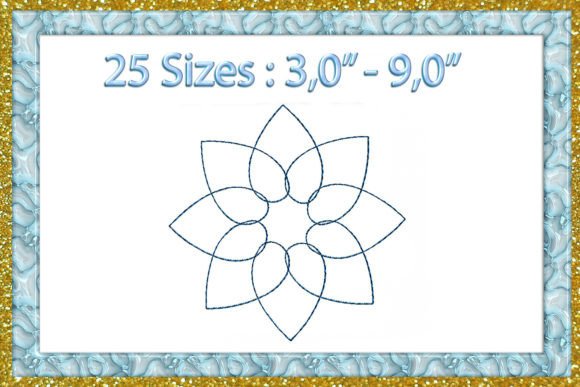
Quilting Swirls Embroidery Design
As a designer and embroidery product reviewer, I’ve evaluated countless machine embroidery designs. Quilting Swirls stands out for its elegant, timeless appeal and versatility across various projects. Whether you're creating custom apparel, handmade gifts, or small business merchandise, this design has the potential to elevate your work—provided it’s used thoughtfully.
The First Impression: A Design That Speaks Quietly
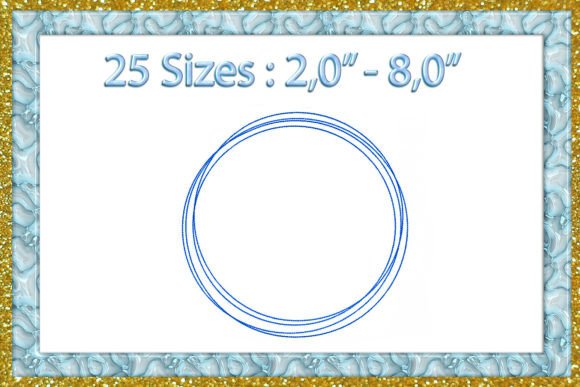
Quilting Swirls Embroidery Design immediately conveys a sense of calm and sophistication. The swirling patterns are reminiscent of traditional quilting motifs, but with a modern twist. It’s not overly complex, yet it carries enough detail to feel meaningful. The layout is balanced, making it ideal for both large and medium-sized embroidery projects.
This design feels like it belongs in a home decor setting, but its simplicity also makes it adaptable for clothing, accessories, and even framed art. It doesn’t scream for attention, which is a good thing—it allows the fabric and finishing touches to shine.
Real-Life Use: From Tote Bags to Holiday Gifts
I recently worked on a custom tote bag design for a client who wanted something that felt handmade but professional. Quilting Swirls Embroidery Design was a perfect fit. When stitched onto a cotton canvas tote, it added a subtle, elegant touch without overwhelming the overall look.
On a sweatshirt, the design looked clean and well-proportioned. It didn’t require too many colors, which made it easy to match thread shades. For a baby onesie, the swirls provided a gentle, non-intrusive pattern that parents would appreciate.
It also works well as an embroidered patch. When applied to a denim jacket or a backpack, it adds a personal, artisanal flair. The design’s size and shape make it suitable for both front and back placements, depending on the project’s needs.
Performance in Different Embroidery Situations
Quilting Swirls Embroidery Design performs reliably on most standard fabrics. On cotton, linen, and lightweight denim, it stitches smoothly with minimal puckering. However, on stretchy or textured materials, it can be more challenging. The design’s fill areas may pull or distort if the stabilizer isn’t properly applied.
For thin or dark fabrics, the design’s contrast matters. If the thread color doesn’t stand out enough, the swirls might appear washed out. I recommend testing the design on a scrap piece of the intended fabric before committing to a full project.
When working with curved surfaces like caps or hats, the design requires careful placement. The swirls are symmetrical, so they need to be centered precisely to avoid looking off-balance. This is especially important when using a smaller hoop size.
Where to Use It Carefully
While Quilting Swirls Embroidery Design is versatile, there are some situations where it may not perform as well. Small hoop sizes can cause the design to feel cramped, particularly around the detailed corners. If you’re working with a tight hoop, consider resizing the design slightly to maintain clarity.
Dense stitch areas may lead to stiffness in the fabric, especially on delicate materials. For layered garments or items that require frequent washing, this could affect the longevity of the embroidery. It’s best to use this design on single-layer pieces or those that won’t be subjected to heavy wear.
On very dark fabrics, the design’s details may be lost unless the thread color is highly contrasting. Similarly, on light-colored backgrounds, the design can appear too bold. Always test the design in black and white mockups to see how it translates.
Impact on Visual Appeal and Customer Perception
Quilting Swirls Embroidery Design adds a level of refinement that can enhance the perceived value of a handmade product. Customers often associate intricate, well-executed embroidery with quality and care. This design, when done right, can make a personalized gift or boutique item feel more special.
It also contributes to brand consistency. If you’re running a craft business or Etsy shop, using a cohesive design language across your products helps build recognition. Quilting Swirls fits into that framework as a subtle, repeatable element that can be used in multiple ways.
From a commercial standpoint, this design is suitable for both personal and retail use. As long as the licensing terms allow, it can be incorporated into digital product previews, printable mockups, or finished items sold online.
Practical Designer Notes
Before using Quilting Swirls Embroidery Design, always test it on scrap fabric. This helps identify any issues with stitch density, thread color, or stabilizer requirements. Check the design’s file formats to ensure compatibility with your embroidery machine.
Review the stitch count and adjust the design if necessary. Some embroidery machines may struggle with certain file types, so it’s wise to confirm compatibility. Also, pay attention to the design’s layout—some elements may need repositioning depending on the project’s scale.
For commercial use, double-check the licensing agreement. Make sure you’re allowed to sell finished products or distribute digital embroidery files. If you’re unsure, reach out to the seller for clarification.
Finally, don’t rush the process. Take time to plan how the design will fit into your project. Whether you’re creating a custom apparel piece, a holiday gift, or a small shop product, thoughtful execution will make all the difference.